African
Dance Workshops
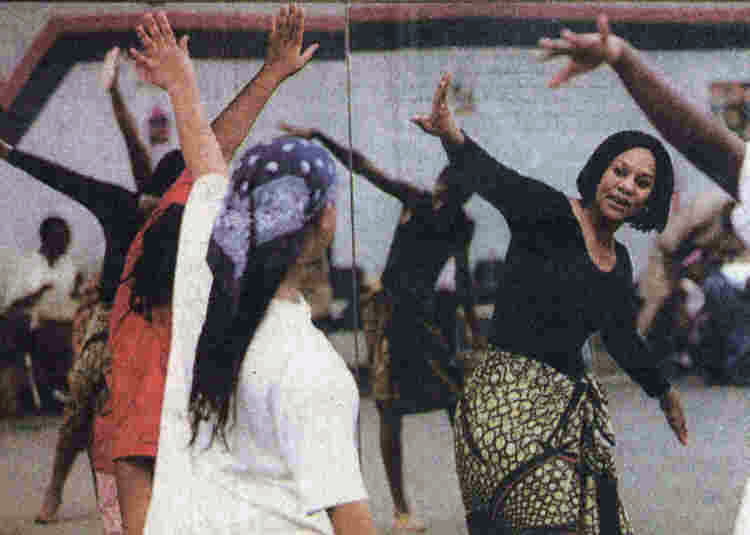
African Dance is a vehicle of language
arts that have significant movements with specific meaning and purpose. Like all
forms of dance, most of what is called African dance communicate a particular
message. Dance is used in a variety of ways, from the social and secular
to the sacred and spiritual aspects of human expression.
Dance
Classes are accompanied with drumming (live rhythms) and includes warm-up exercise.
An important aspect of dance is one's own
connection with self, nature and with others (family and community). Through movement
and rhythm we praise and honor through
celebrations, ceremonies and occasions.
Click here to book Dance Workshop
African
Drum Workshops
The
history and relationship of African music (particularly the drum) in connection
with aspects of the Diaspora of African and African American culture has and
continues to have a major impact on world music and other cultures.
Music and memory. From the beat of the heart to the beat of the drum, human expression and connections are made.
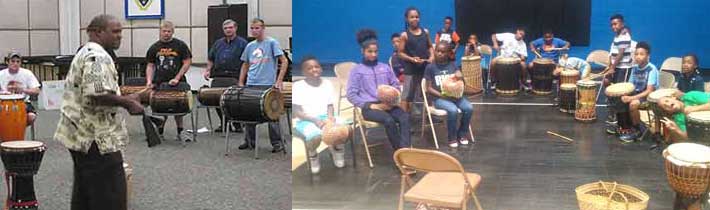
Workshop for the University of Texas at
Arlington and a summer camp workshop at the Dallas Bethlehem Center.
I
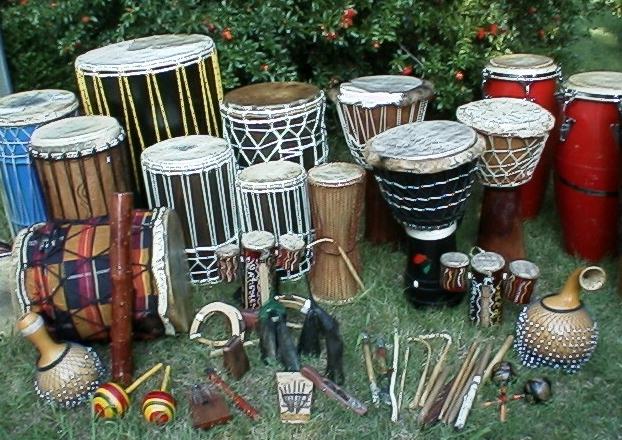
limited number of authentic
African instruments such as Djembes (hand drum), shakares (gourd shaker/rattle), agogo
(bell) and djundjuns (heavy drums) will be provided, played and taught as part of the
drum, and drum and dance
experience. Participants who
have their own instruments will be instructed on how to use them, and eventually play
together as a group by the end of the session.
A demonstration of the intricacies of African polyrhythmic style and the control
of sound, vibration, tone and volume will be instructed. The African
tradition of call and response communication and singing, which carries over into instrumental
music as well as the use of hand clapping, foot stomping, and the use of the voice
to imitate sounds are all part of the wealth of expression utilized in various
forms of African music. A
percussion orchestra will be arranged for the students to showcase what they
have learned upon the end of the workshop or series of classes.
Storytelling,
Team Building & Life Lesson Experiences
Storytelling and Team Building presentations are
to create harmonious interaction among the people that transcends individual goals into a collective
meaningful team building experience.
A
collection of African instruments which include, conga drums, talking drums,
ashiko, djembe, doundoun drums, agogo (bell), shekere (beaded gourd), and other
instruments are demonstrated and explained along with their relationship to
other traditional instruments.
Click here to book Lecture
Mojuba fe fe Egun. I give praise and honor
to my elder, teacher and friend Baba Kwame Ishangi; Ase.
In the words of Baba Kwame Ishangi,
born December 15, 1934, joined the realm of his beloved ancestors October 22,
2003 in the Gambia, West Africa.,“music is a form of
conveying and transmitting information."
African drumming is not
morse code; it is
the actual imitation of the human voice using drums and other instruments that
reflect the spoken language, feelings and expressions of the drummer. The
beat of the drum resonates the forces of life, correlating to the beat of the
human heart and the diverse, yet harmonizing forces and vibrations of nature. Rhythm has
the power to move, to heal, to energize and to bring peace and harmony within
self and amongst others. Rhythm, vibrations and sound is the
evidence of life.
Baba Ishangi (picture shown on
above) was one of many special guest brought to Dallas, Texas to conduct public and private workshops on dance, drum,
history, language, African martial arts and African culture. We praise and honor the life of Baba
Ishangi and his Wife Akua Ishangi for their years of dedication and accomplishments by continuing to lead by the example of doing our best
while inspiring others to do and be their best.
“One
cannot love his neighbor unless he is aware of his neighbor. We hope through
the understanding of each other’s culture that peace and global harmony will
come to mankind; so that we can protect the only home we have ever known, the
planet Earth.” - Baba Kwame Ishangi, United Nations General Assembly
1981
Food for Thought: Africa and the Diaspora
It is important to note that the words "African Dance" and
"African Drumming" are general terms. Africa is a vast continent of many
countries, languages, cultures, traditions and diverse forms of expression.
It is also important to note that in America and around the world, the presence
and influence of African art, science, mathematics, architecture, engineering, philosophy
and social evolution exist. Those who are willing to research and study
beyond the bias and inhumane assault of a vast group of people, will find their
research verifiable evidence.
Have you ever heard anyone say, "we're going to a European Dance" class?
What if the Polka, Waltz, Irish Step-dance, Flamenco and the Can-can were
bundled as a general word, European Dance? On the contrary, the history,
language, culture and traditions of countries like France, Germany, Italy,
Ireland as do
the rest of the countries in Africa, Europe and around the globe, have their own beauty
and forms of expressions.
The continent of Africa is as rich and vast in
history as it is diverse in heritage, traditions, and ways of viewing the world.
The words African Diaspora gives recognition to
the diverse history, languages, cultural experiences and artistic expressions of
all those of African decent around the world.
- Baba Kwasi


 Storytelling,
Team Building & Life Lesson Experiences
Storytelling,
Team Building & Life Lesson Experiences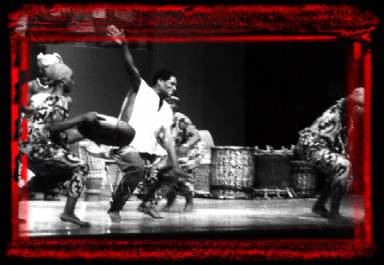 In the words of